
Jury
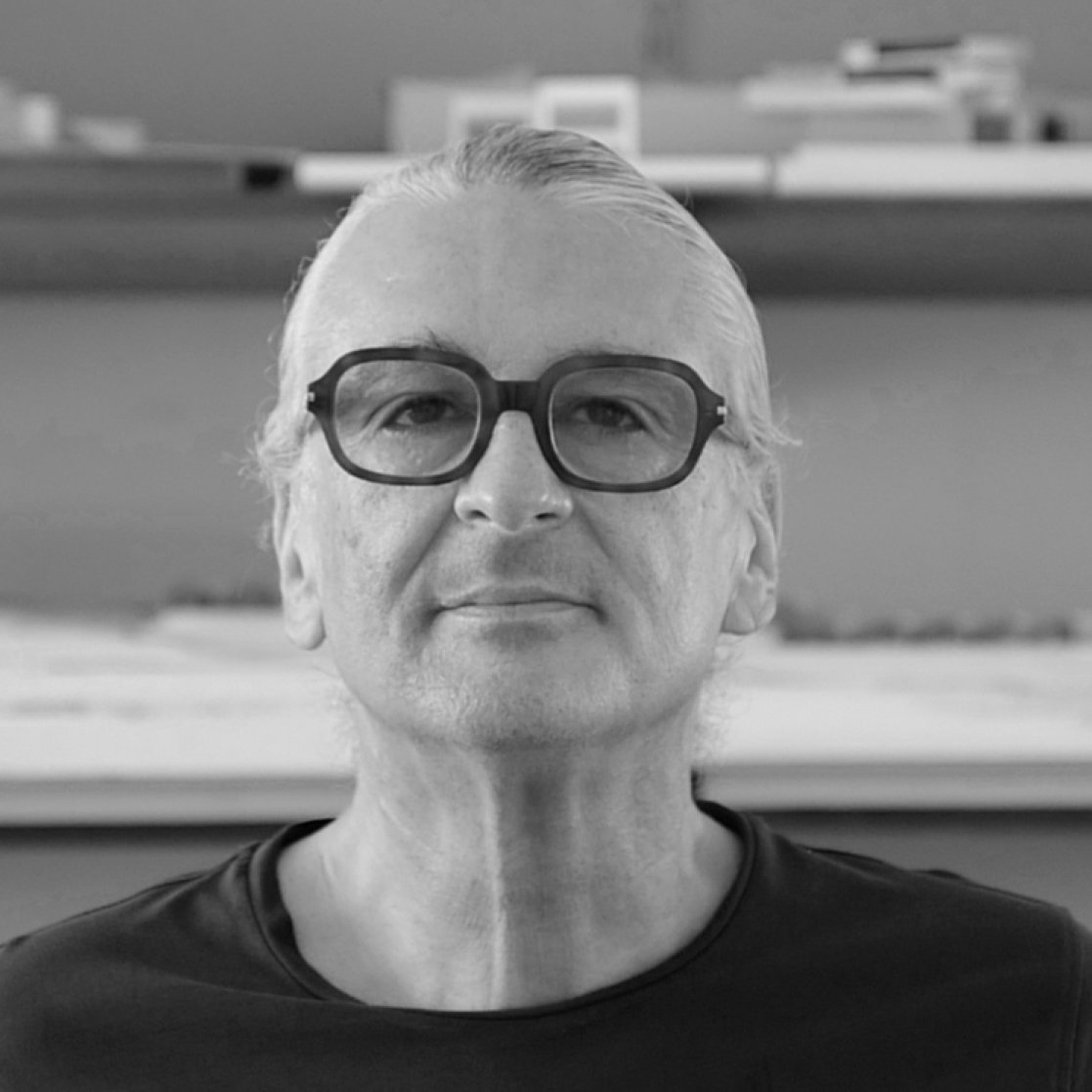
João Pedro Serôdio
The challenge of photography in our absurd reality is surely not to represent it, and perhaps not even to make it comprehensible, but rather to question and expand it, as Luis Ferreira Alves did.
João Pedro Alves de Guimarães Serôdio was born in 1963 and graduated in Architecture from the Faculty of Architecture of the University of Porto (FAUP) in 1991. While still completing his studies, between 1990 and 1991, he undertook an internship at Herzog & de Meuron in Basel, an experience that preceded the beginning of his professional practice in Porto, where he has shared an architectural office with Isabel Furtado since 1992.
Alongside his architectural practice, he has developed a sustained career in teaching and institutional engagement. Between 1997 and 2002, he was a teaching assistant in Design Studio IV on the Architecture programme at Universidade Lusíada do Porto, before joining FAUP, where he taught Design Studio IV as an assistant professor between 2002 and 2014 and as an auxiliary professor from 2014 to 2025. In parallel, between 2012 and 2018, he was a member of the Board of the newly established Architecture programme at Universidade Lusófona do Porto, where he also taught Design Studio V as an auxiliary professor from 2012 to 2025.
In 2015, he completed his PhD at the Faculty of Architecture of the University of Porto with the thesis Project and Context in the Work of Serôdio, Furtado e Associados, further developing a line of reflection closely connected to his own architectural practice. Since 2025, he has been Associate Professor at FAUP. Since 2022, he has co-directed Design Studio IV with Nuno Brandão Costa and has also taught within Study Option E — Theory and Practices of Design — of FAUP’s Doctoral Programme in Architecture, together with Nuno Brandão Costa and José Miguel Rodrigues.
His career has also included active involvement in the professional and institutional life of Portuguese architecture. He served as President of the Northern Regional Section of the Portuguese Order of Architects from 2004 to 2007 and, between 2008 and 2010, as President of its National Council of Delegates. His work has thus developed through a sustained dialogue between professional practice, teaching, research and institutional engagement within the field of architecture.
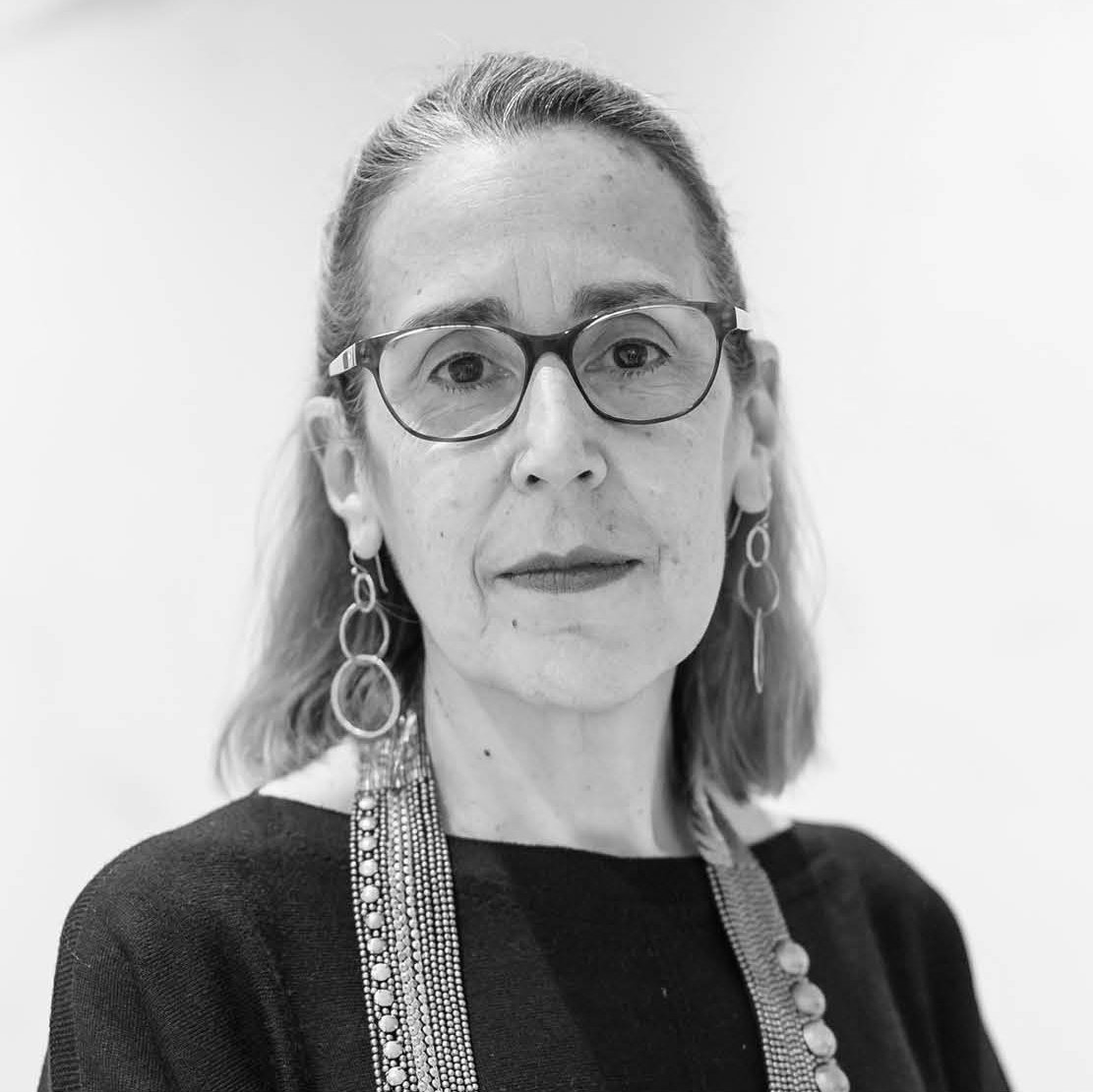
Discovering new talent in this field is always a joy – a skilful and sensitive use of light is an element I invariably look out for.
Valeria Carullo is Photographs Curator at the Royal Institute of British Architects. Her principal area of research is the relationship between modern photography and modern architecture in the inter-war years. An architect by background, she lectures and writes on both architectural and photographic subjects. Her publications include Moholy-Nagy in Britain 1935-1937 (2019, Lund Humphries) and the newly published monograph Richard Bryant (2025, Lund Humphries).
Valeria has curated and co-curated several exhibitions, both in Britain and abroad, including her latest Wide-Angle View: architecture as social space in the Manplan series 1969-70 (RIBA Architecture Gallery, London, 2023-24 and RIBA North Gallery One, Liverpool, 2026, plus a revised version at SR-NRT headquarters, Porto, 2026); Eternal City: Rome in the Photographs Collection of the Royal Institute of British Architects (Vittoriano, Rome, 2018); Ordinary Beauty: the photography of Edwin Smith (RIBA Architecture Gallery, 2019).
In 2014 she was the main organiser of the RIBA international photography symposium ‘Building with Light’, while more recently she organised the RIBA Photo Festival, the first international festival on the photography of the built environment (2023). Valeria is also co-organiser of the annual RIBA Colin Rowe Lecture Series, conversations on the role of the image in architecture.
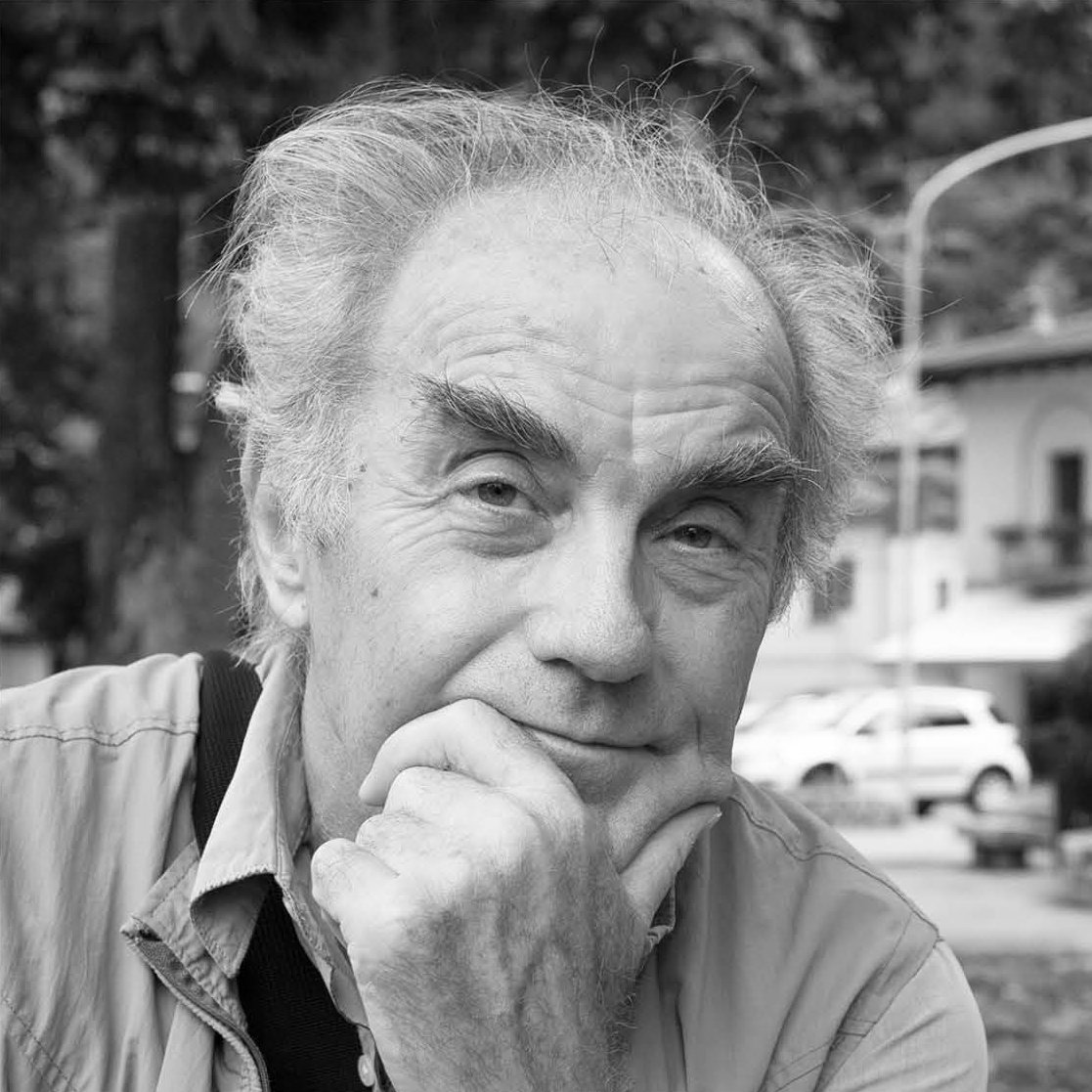
Paolo Rosselli
Through the images it creates every day, photography seems to realise the dream of bestowing upon objects an aura they did not previously possess or had somehow lost.
Paolo Rosselli was introduced to photography by Ugo Mulas at the age of 20. After earning a degree in Architecture, he began a series of long journeys in India with Arturo Schwarz. During these extended stays dedicated to the architecture of the Hindu temple, he began assembling photographic profiles of Indian cities. By then, his approach to architecture through photography had evolved in other directions, towards contemporary architecture in Europe and abroad, to masters of modern architecture such as Giuseppe Terragni, and in the direction of the past, Renaissance architecture in Italy.
Besides this activity, he has pursued specific research on the contemporary urban landscape and on the interiors of the home, seen as a place where people leave traces of their living. He was invited to the Venice Biennial in three editions: in 1993, he exhibited a group of works on signs and messages found in the cities, in 2004, an exploration of the interior of the home, and in 2006, he showed images of contemporary cities such as Mexico City, Shanghai, L.A., Istanbul, and London.
In the books Sandwich digitale and Scena Mobile, he started to write on photography and the changes in the perception of the real world in the age of the digital. In 2018, he published with Scopio a group of images together with an interview by Pedro Gadanho. Recently, in 2025, he exhibited around a hundred photographs at the Milan Triennale under the title Mondi in Posa.

© Juan Rodriguez
"About Luis
With a tripod, a second gaze that fixes ours, that of the work..."
A celebrated Portuguese architect and a prominent member of the Porto School of Architecture alongside Fernando Távora and Álvaro Siza, Eduardo Souto de Moura (b. 1952) has built a career spanning over four decades. His journey began with his graduation from the School of Fine Arts of the University of Porto (now FAUP) and the launch of his independent practice in 1980, marked by the award-winning Casa das Artes cultural centre in Porto.
Souto de Moura gained international acclaim as the second Portuguese architect to receive the Pritzker Architecture Prize in 2011, architecture’s highest honor. This recognition highlighted his body of work, including the Estádio Municipal de Braga, the Burgo Tower in Porto, and the Paula Rego Museum in Cascais. His distinguished career has since been adorned with numerous accolades. Recent awards include the Arnold W. Brunner Memorial Prize (2019), the Leone d’Oro at the Venice Biennale (2018), and membership in the French Academy of Architects (2022). He has also received honorary doctorates and prestigious prizes across Europe, such as the Virgílio Medal in Rome and the BigMat International Architecture Award Grand Prize for his Foz Tua Power Plant project.
Known for his thoughtful approach to materials and context, Souto de Moura’s portfolio spans residential houses, cultural buildings and significant restorations, such as the Santa Maria do Bouro Monastery in Amares, transformed into a Pousada. His work extends beyond Portugal to countries including Spain, Italy, Germany, the UK, and Switzerland.
In the academic sphere, Eduardo Souto de Moura has built a remarkable legacy as a professor at FAUP and a guest lecturer at prestigious institutions such as Harvard University, ETH Zurich, and La Sapienza in Rome. In addition to delivering numerous lectures, he has actively participated in discussions and events that enrich the field of architecture. His work continues to be exhibited, studied, and widely celebrated worldwide, reinforcing the enduring impact of his architectural vision, while he remains actively engaged in creating new projects that further this legacy.

© Paulo Catrica
"I hope to see projects that challenge how we look at architecture from a historical perspective."
A Portuguese photographer based in Lisbon, Paulo Catrica (b. 1965) studied photography at Ar.Co., Lisbon (1985), earned a BA in History from Univ. Lusíada, Lisbon (1992), an MA in Image and Communication at Goldsmiths, London (1997), and a PhD in Photography Studies at the Univ. of Westminster, London (2011). Since 2014, he has been a researcher at the Institute of Contemporary History of the Nova University of Lisbon.
Catrica has exhibited regularly in public and private institutions since 1997. His work is part of several notable collections, including the State Contemporary Art Collection, Portugal; Calouste Gulbenkian Foundation; EDP Foundation; PLMJ; Novo Banco; the Museum of London; Lisbon Photographic Archive; Portuguese Photography Centre; Catholic University, Porto; Dark Chamber (Torres Vedras); Petralia Sottana (Sicily); and the City Museum (Almada).

© Jasmine Bruno
"Perhaps the intent to represent space is like the journey of a traveller seeking to grasp the horizon. The horizon line is intangible and unreachable, yet the path we are undertaking is what truly matters."
Renowned for her dedication to time-honoured photographic practices, Hélène Binet (b. 1959) is an internationally acclaimed Swiss and French photographer based in London. She studied photography at the Istituto Europeo di Design in Rome, the city in which she spent most of her formative years. Over more than 35 years, Binet has captured contemporary and historic architecture. She is a fervent advocate of analogue photography, working exclusively with film, and she believes that the soul of photography is an intricate relationship between the instant and the memory.
Binet's work has been exhibited in national and international exhibitions, including a solo exhibition at the Royal Academy of Arts, London, in 2021 and a solo exhibition at the Power Station of Art, Shanghai, in 2019. She was made an Honorary Fellow of the Royal Institute of British Architects in 2007 and, in 2015, was the recipient of the Julius Shulman Institute Excellence in Photography Award. She was also the recipient of the 2019 Ada Louise Huxtable Prize, awarded to a woman who has made a major contribution to architecture. She is one of the Royal Photographic Society's Hundred Heroines.